Bed bug heat remediation delivers targeted Sonoran bio-security by converting structures into controlled thermal chambers, eliminating infestations without subjecting desert households to synthetic insecticide…
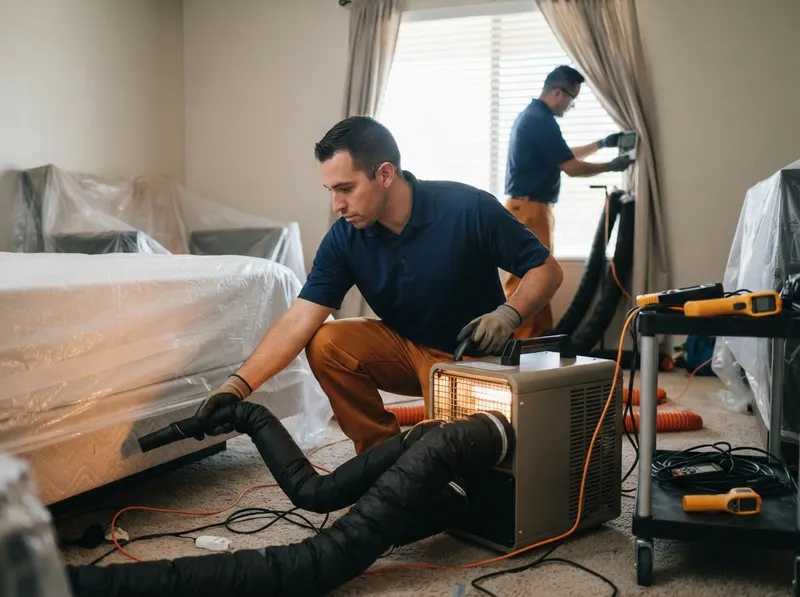
Bed bug heat remediation delivers targeted Sonoran bio-security by converting structures into controlled thermal chambers, eliminating infestations without subjecting desert households to synthetic insecticide coatings. In arid environments across Maricopa County, bed bugs (Cimex lectularius) frequently seek refuge in interior baseboards, fabric headboards, and bedside carpeting to escape localized temperature extremes. Thermal remediation utilizes industrial forced-air heaters paired with continuous digital temperature monitoring to ensure convective airflow drives heat deep into structural framing, upholstery folds, and nightstand joints. Unlike spot liquid applications that often trigger pesticide avoidance and scatter insects behind drywall, sustained temperatures between 120°F and 135°F cause desiccation and protein coagulation across 100% of the insect population, including microscopic eggs hidden beneath carpet tack strips.
A whole-structure thermal approach suits multi-bedroom residences in Grayhawk, DC Ranch, and McCormick Ranch where insects travel through shared walls, plumbing penetrations, or master suite carpet lines. For isolated introductions in condo units near Old Town Scottsdale or South Scottsdale guest quarters, single-room containment provides rapid eradication while protecting adjacent rooms. The trade-off between thermal remediation and chemical application centers on preparation demands and permanence: heat remediation requires removing meltable items, candles, pressurized canisters, and cosmetics before treatment begins, but it accomplishes complete eradication in a single 6- to 9-hour cycle, avoiding weeks of repeated pesticide re-entries.
Executing heat remediation begins with three methodical steps. First, technicians conduct a diagnostic infrared inspection of mattress seams, frame joints, and electrical outlets to map core infestation zones. Second, commercial high-output thermal heaters and variable-speed air movers are placed throughout the residence, monitored by wireless thermal sensors to ensure every void maintains 122°F for a minimum of 90 minutes. Third, cooling protocols step down indoor ambient air to normal seasonal levels, followed by a final validation check across all high-risk areas before homeowners return. In custom properties throughout Silverleaf, Troon North, and Desert Mountain, thermal airflow is calibrated to safeguard delicate architectural woodwork and modern insulation assemblies.
Every job gets a firm, written price after a free on-site visit.
Tell us about your bed bug heat remediation job in Scottsdale and we'll send a clear, written quote, usually the same day.
 Desert Finch Pest Control